
Earthquakes, flooding, hurricanes, and other natural disasters can disrupt daily life and impact public health.
Natural disasters can happen with little warning and may affect communities across Hawaiian Island in different ways. Understanding the types of natural disasters that can occur and knowing how to prepare ahead of time helps individuals and families stay safe and recover more quickly.

Earthquakes
Earthquakes are common in Hawai‘i and can disrupt structures and services without warning. Residents should practice “Drop, Cover, and Hold On,” secure heavy items, and maintain emergency kits. Preparedness helps households manage damage and secondary hazards like landslides or tsunamis.

Flooding
Heavy rain, storms, and tides can cause flooding that damages homes and isolates communities. DOH urges residents to maintain 14‑day supplies and develop family plans for where to go during floods. Afterward, safe cleanup helps prevent mold and long‑term health issues.

Hurricanes
Hurricane season runs June through November, though storms can form anytime. Heavy rain, wind, and surge threaten homes and infrastructure. Residents should monitor forecasts early, secure property, and prepare kits and evacuation plans. Family communication plans and awareness of local hazards improve readiness.

Tsunamis
Tsunamis are a real risk in Hawai‘i due to Pacific seismic activity. They can arrive quickly, making evacuation zone awareness essential. Natural warnings like strong shaking or sudden sea changes require immediate action. Families should incorporate tsunami evacuation planning into their overall preparedness.

Volcanic Eruptions
Volcanoes like Kīlauea and Mauna Loa pose risks from lava, gas, ash, and laze. Nearby residents should follow advisories, monitor air quality, and stay indoors during high vog. Preparedness includes planning for disrupted utilities and travel, as impacts can extend beyond the Big Island.
Wildfires
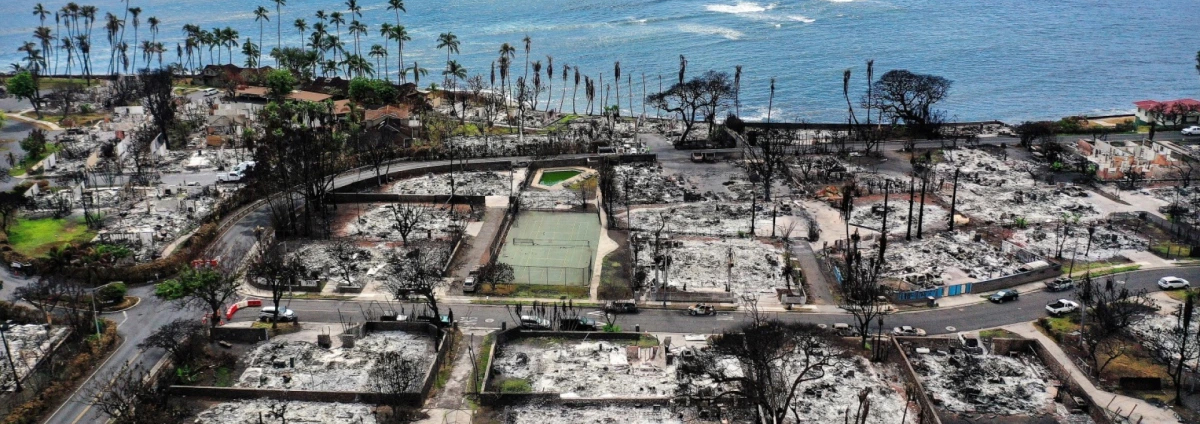
Wildfires in Hawai‘i spread rapidly through dry vegetation and non‑native grasses, threatening lives and property. Most start from human activity but burn year‑round due to weather conditions. Reducing risk depends on prevention, fuel management, defensible space, and following official warnings and evacuation instructions.